Improve Office Safety – Simple Ways
Creating a safer office doesn’t require a big budget or a complete redesign. Often, small adjustments can significantly improve office safety by reducing accidents, confusion, and downtime. These simple and affordable changes can make your workplace safer for everyone—from new hires to long-time staff.

1. Label All Light Switches and Outlets
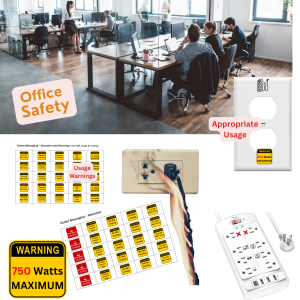
In many offices, especially shared workspaces, employees don’t always know which switch controls what. This confusion can lead to lights being turned off mid-meeting or important equipment getting unplugged. Correct Switch makes it easy to apply clear, icon-based, bilingual labels directly onto outlet and switch plates. The transparent version blends into any decor, offering clarity without visual clutter.
2. Use Anti-Slip Floor Mats in High-Traffic Areas
Wet entryways or worn hallways are common slipping hazards. Placing non-slip mats at entrances and breakroom areas helps prevent falls and provides a safer walking surface in all weather conditions.
3. Install Corner Guards on Desks and Equipment
Sharp corners on desks, counters, and shelving units pose a risk for bumps or bruises. Rounded foam guards are a low-cost way to reduce injury potential without altering furniture.
4. Keep Cords and Cables Secured – Improve Office Safety Priority
Loose cords not only look messy but can also trip someone. Use cable clips, cord sleeves, or under-desk trays to route cables safely. For power strips or key outlets, pair with Correct Switch labels to identify what not to unplug.
5. Make Emergency Tools Visible and Labeled – Improve Office Safety Priority
Fire extinguishers, first aid kits, and emergency contact lists should be easy to locate and clearly marked. Use bold signage and position them at eye level in key zones like kitchens, server rooms, and entryways.
6. Add Wayfinding and Hazard Labels – Improve Office Safety Priority
Directional signage helps guests and new employees find exits, restrooms, or departments without wandering. Warning labels near sharp tools, hot appliances, or cleaning supplies reinforce caution.
7. Designate a Sanitation Station
Maintaining hygiene reduces the spread of illness, especially in flu season or during outbreaks. A dedicated area with hand sanitizer, wipes, and disinfectant spray encourages cleanliness and shared responsibility.
Final Thoughts
Office safety isn’t just about avoiding accidents—it’s about making sure everyone feels confident and informed in their space. Small, thoughtful upgrades like labeling with Correct Switch and organizing shared zones help prevent problems before they happen. When people know where things are and how to use them safely, productivity rises and risk declines.
Related Articles